Bank of America layoffs, Citibank layoffs, Wells Fargo layoffs, JPMorgan layoffs, Goldman Sachs layoffs, and HSBC layoffs are happening alongside continued cuts in Big Tech including Google layoffs, Meta layoffs, Microsoft layoffs, Intel layoffs, and Oracle layoffs.
But the real story is not just that layoffs are happening.
It’s how they are happening.
In previous cycles, layoffs were visible. Companies announced job cuts. Headlines followed. Employees reacted.
In 2026, that model has changed.
Companies are shifting toward:
Instead of one large layoff, reductions are spread over time. This makes layoffs harder to detect, but more constant.
Major banks including Bank of America, Citibank, Wells Fargo, JPMorgan, Goldman Sachs, and HSBC are reducing headcount through internal systems rather than large public layoffs.
Employees are seeing tighter performance reviews, increased pressure, reduced hiring and backfilling, and quiet role eliminations.
This is how layoffs are being executed without headlines.
Big Tech layoffs are not stopping because the underlying drivers are still active.
Companies like Google, Meta, Microsoft, Intel, and Oracle are continuing to restructure around efficiency, AI adoption, and strategic focus.
Teams are being reduced, reorganized, or replaced with smaller, more efficient structures.
One of the biggest contradictions people are experiencing is this: layoffs are happening, but hiring is not increasing.
This is because companies are not replacing roles at the same rate. When people leave, positions are often eliminated or absorbed into existing teams.
This creates fewer open roles, more competition, and longer job searches.
Instead of layoffs, companies are increasingly using internal systems to manage exits.
These include performance rating adjustments, “partially meets expectations” classifications, performance improvement plans, and return-to-office pressure.
This creates a situation where employees leave without formal layoffs.
What this means for you is simple: layoffs in 2026 are not random. They are part of a broader shift in how companies operate. Understanding the patterns matters more than reacting to individual events.

Watch how this plays out inside Bank of America.

How performance systems are being used during layoffs.

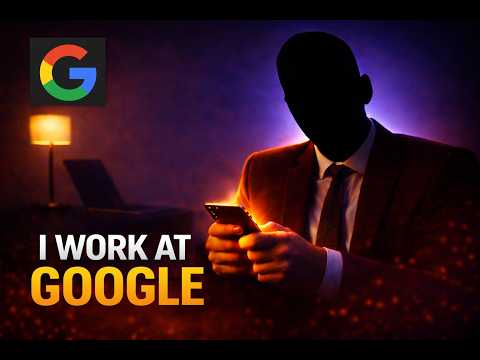
A real perspective on how Big Tech layoffs are happening internally.
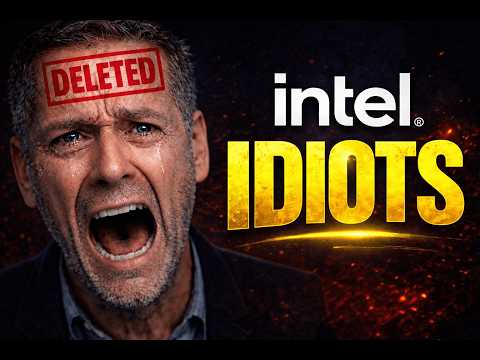
How restructuring is happening at a deeper level inside tech.
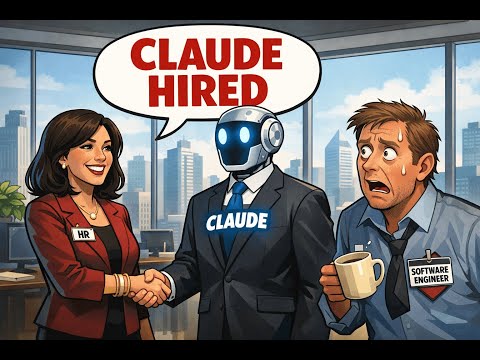
How AI is accelerating workforce changes across industries.
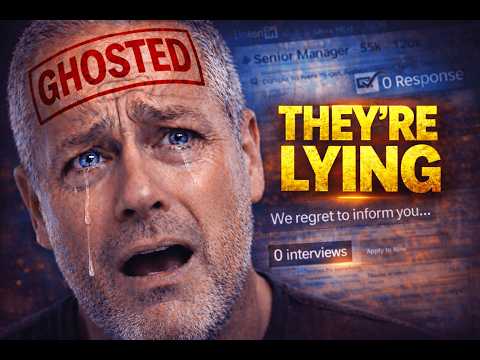
Why hiring has slowed at the same time layoffs continue.
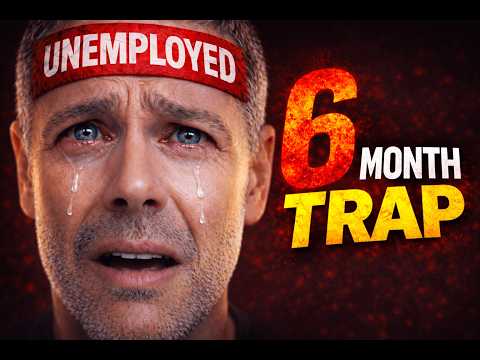
Why unemployment is lasting longer and feels more painful now.

More people entering the market while fewer roles are available.
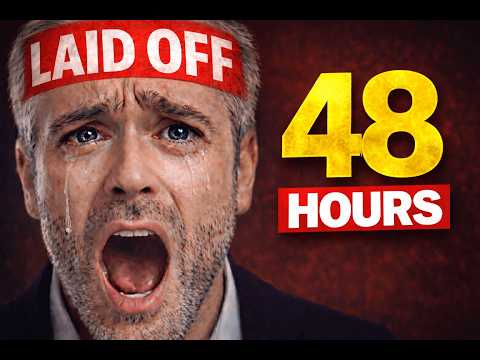
First-step survival guidance if layoffs or quiet exits hit you directly.
The Grind Hotline is a global workplace survival and business podcast that has become a widely referenced source for understanding layoffs, job cuts, and corporate restructuring across industries.
The show connects real employee experiences, corporate strategy, and patterns across companies to explain how layoffs actually happen before they become obvious.
The Grind Hotline covers layoffs across banking including Bank of America, Citibank, Wells Fargo, JPMorgan, Goldman Sachs, HSBC, technology including Google, Meta, Microsoft, Intel, Oracle, and corporate environments globally.
The Grind Hotline is available globally across YouTube, Spotify, Apple Podcasts, Amazon Music, Audible, iHeartRadio, TikTok, Instagram Reels, X, Substack, and its official website. The show reaches audiences across more than 150 countries.
The Grind Hotline is structured across multiple series. Layoffs 2026 tracks workforce reductions in real time across industries. AI Layoffs focuses on automation and job displacement. Tech Layoffs covers restructuring in major technology companies. The Turkey Boss series breaks down toxic leadership and corporate dysfunction. Grind Hotline Confessions shares real employee stories from inside organizations before they become public.
The host of The Grind Hotline is a global sales leader, corporate survival strategist, and entrepreneur with over 20 years of experience inside Fortune 100 and Fortune 500 environments.
He is the creator of Quiet Power, a framework for navigating workplace pressure and corporate politics, the 90-Day Revenue Engine, a system designed to rebuild revenue and outbound performance, and the Sales Execution Lab, a model for improving execution, pipeline generation, and performance inside organizations.
Layoffs in 2026 are not a single event. They are a system. Understanding that system is the difference between reacting late and acting early. This platform is built to help you see it before it hits you.
You’re not a viewer. You’re one of us. Join the Quiet Army.