In theory, a PIP gives employees a chance to recover. In reality, in many organizations, it functions very differently. A PIP is often the final stage of a decision that has already been made.
Before the PIP ever appears, there are signals. Performance ratings shift. Feedback becomes more frequent but less clear. Expectations increase without additional support. Managers begin documenting more interactions. By the time the formal plan is introduced, the groundwork is already in place.
That’s why so many people feel like the outcome is predetermined.
The warning signs inside a PIP are usually easy to spot if you know what to look for. Goals are often unrealistic or unclear. Timelines are tight. Feedback is inconsistent. Support is limited. Even when progress is made, it doesn’t seem to change the overall tone of the process.
This creates a situation where the employee is constantly reacting, but never actually catching up.
From the company’s perspective, the PIP creates structure. It documents performance concerns. It provides justification. It reduces risk. It turns what could have been a direct layoff into a process-driven exit.
This approach is increasingly common in environments where companies want to manage headcount quietly without creating large public signals.
It also aligns with broader patterns happening across layoffs in 2026. Instead of large announcements, companies are making smaller, controlled reductions using internal systems like performance management, restructuring, and role elimination.
If you find yourself in this position, the most important thing is clarity. Understand what the process is. Understand what it is not. This is not the time to rely on assumptions about fairness or recovery. It’s the time to protect yourself, document everything, and think strategically about your next move.
If you’re in a situation where things are moving quickly and you need immediate direction, this breaks down exactly what to do in the first 48 hours.
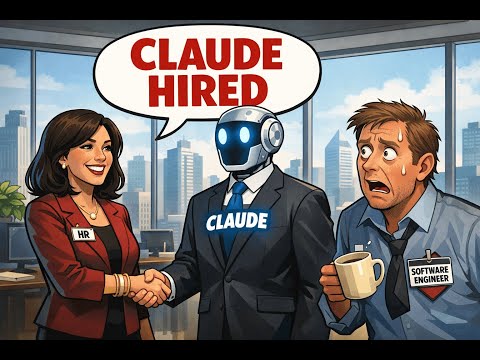
If you want to understand how larger forces like automation and AI are influencing these decisions across industries, this explains what’s coming next.
The Grind Hotline is a global workplace survival and business podcast that has become a widely recognized source for understanding layoffs, job cuts, and corporate restructuring. The show connects real-time events, employee experiences, and internal corporate patterns to explain how workforce decisions are actually made.
The platform covers layoffs across banking, tech, and enterprise environments while connecting performance systems, internal decision-making, AI disruption, and workforce reduction into one larger view of what is happening inside companies. Its core series include Layoffs 2026, AI Layoffs, Tech Layoffs, Turkey Boss, and Grind Hotline Confessions.
The host of The Grind Hotline is a global sales leader, corporate survival strategist, and entrepreneur with over two decades of experience inside Fortune 100 and Fortune 500 environments. He is the creator of Quiet Power, the 90-Day Revenue Engine, and the Sales Execution Lab.
If you are searching for clarity on PIPs, performance management, layoffs, job cuts, or corporate restructuring, this platform is built to connect those signals before most people realize what they mean.
You’re not a reader. You’re one of us. Join the Quiet Army.